


Managing diabetes can feel like a full-time job, but what if it didn’t have to be? Enter the world of digital health tools—your new best friends in the battle for better blood sugar control. From smart glucose monitors to snazzy apps that track everything but your coffee intake, these tech-savvy solutions are here to lighten the load and make managing diabetes a whole lot easier.
Imagine having a personal assistant that never takes a vacation, always reminding you to check your levels or suggesting meal plans tailored to your needs. With the right digital tools, staying on top of diabetes can be as easy as scrolling through social media. So grab your smartphone and get ready to explore how these innovative gadgets can transform the way you manage your health—because who said diabetes management can’t be a little fun?
Overview Of Digital Health Tools For Diabetes
Digital health tools offer diverse solutions for diabetes management. Smart glucose monitors provide real-time blood sugar data, enabling users to make immediate adjustments. Mobile apps track nutritional intake, exercise, and glucose levels, fostering a more comprehensive approach to health. Wearable devices like fitness trackers monitor physical activity, providing insights into how exercise affects blood sugar levels.
Continuous glucose monitoring systems automatically measure glucose levels throughout the day. These systems allow for quick adjustments in insulin or diet based on real-time data. Furthermore, telehealth platforms connect patients with healthcare professionals, facilitating remote consultations. These platforms enhance accessibility, ensuring users receive expert advice without travel.
Educational apps teach diabetes management strategies, promoting greater understanding of the condition. These tools often include interactive features, such as quizzes and video tutorials, making learning more engaging. Online communities form around these apps, offering users support and shared experiences.
Integration of these digital tools enables seamless data sharing. For example, some apps sync with electronic health records, allowing healthcare providers to monitor patient progress efficiently. Analytics from this data assist in personalizing treatment plans, ensuring optimal management of diabetes.
Research indicates these tools can improve adherence to treatment plans. A study found users of digital health resources reported lower A1C levels, highlighting effectiveness in controlling diabetes. Embracing these technologies transforms diabetes management into an empowered and interactive experience.
Types Of Digital Health Tools
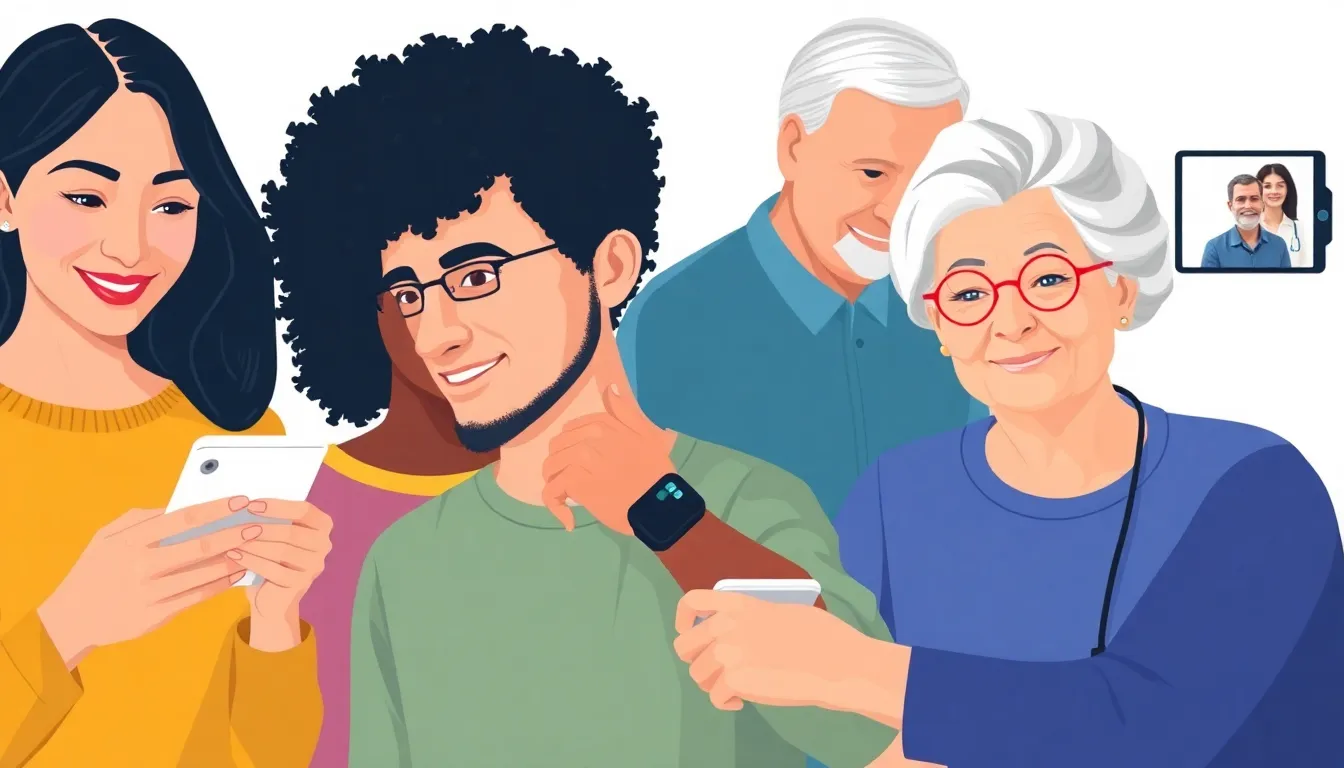
Digital health tools encompass a variety of solutions tailored for effective diabetes management. Each type plays a specific role in enhancing patient engagement and outcomes.
Mobile Apps
Mobile apps serve a crucial function in diabetes management. These applications enable users to monitor glucose levels easily, log meals, and track physical activity. Features often include reminders for medication, enabling adherence to treatment schedules. Some apps integrate with wearable devices, providing comprehensive health insights. By analyzing trends in data, users can make informed decisions regarding their diet and insulin. Research indicates that consistent use of these apps correlates with improved A1C levels among users.
Wearable Devices
Wearable devices track health metrics continuously, providing real-time data on physical activity and blood glucose. Fitness trackers, smartwatches, and specialized monitors offer insights into exercise patterns and their effects on blood sugar control. Data from these devices can sync with mobile apps, allowing seamless health monitoring. Features like alerts for high or low glucose levels help users respond promptly. Studies demonstrate that those who utilize wearables experience better management of their diabetes due to increased awareness of their habits.
Telehealth Services
Telehealth services enhance access to care for individuals managing diabetes. Patients connect with healthcare professionals through virtual consultations, eliminating barriers related to location and time. Services often include medication management, nutrition counseling, and routine check-ins. Video calls provide a personal touch, facilitating stronger relationships between patients and providers. These platforms also allow for timely adjustments to treatment plans based on real-time feedback. Increasingly, telehealth has proven effective in improving patient satisfaction and engagement in their health care journey.
Benefits Of Using Digital Health Tools
Digital health tools significantly enhance diabetes management. These solutions streamline the process, making daily health monitoring easier and more effective.
Improved Blood Sugar Monitoring
Smart glucose monitors offer immediate readings of blood sugar levels. Continuous glucose monitoring systems automate this tracking process, providing data every few minutes. Users gain insights into how food, exercise, and medication affect their glucose levels. More frequent monitoring leads to quicker adjustments in insulin or diet, improving overall glycemic control. Research shows that individuals using these systems can achieve lower A1C levels compared to those relying solely on traditional methods. Real-time feedback helps patients recognize patterns, making informed decisions for their health.
Enhanced Patient Engagement
Mobile apps promote a greater sense of ownership over diabetes management. They often include features like nutritional tracking, exercise logging, and medication reminders. Engaging with these tools fosters a proactive approach to health. Users who regularly interact with health data feel more involved in decision-making. Studies indicate that this increased engagement correlates with improved diabetes outcomes. Telehealth services also enhance patient involvement, offering convenient access to healthcare professionals for support and guidance. By facilitating communication, these tools empower users to take charge of their health management journey.
Challenges And Considerations
Digital health tools for diabetes offer numerous benefits, yet they present challenges that users must navigate.
Data Privacy Concerns
Data privacy remains a significant concern with digital health tools. Personal health information often gets stored and transmitted electronically, increasing risks of unauthorized access. Users must prioritize selecting tools with robust security measures, such as encryption and two-factor authentication. Regulations like HIPAA protect patient information, but not all solutions comply with these standards. Individuals need to read privacy policies carefully to understand how their data will be used and shared. Awareness of potential vulnerabilities in apps and devices helps users make informed choices. Trust in digital health tools hinges on ensuring data protection.
Accessibility Issues
Accessibility issues arise as not all patients can equally benefit from digital health tools. Certain populations may lack reliable internet access or familiarity with technology, leading to disparities in diabetes management. Seniors or those with limited digital literacy often struggle to engage with complex apps and devices. Cost can also be a barrier, as some advanced tools come with significant price tags, making them unaffordable for low-income individuals. It’s vital to consider inclusivity when designing these systems to ensure every patient can participate in their health management. Promoting equitable access enhances overall outcomes in diabetes care.
Embracing digital health tools can significantly enhance the management of diabetes. These innovations not only simplify daily monitoring but also empower individuals to take charge of their health. With real-time data and user-friendly apps, managing blood sugar levels becomes more engaging and effective.
While challenges like data privacy and accessibility exist, the benefits of these tools are undeniable. By fostering greater patient involvement and promoting proactive health management, digital solutions pave the way for improved outcomes. As technology continues to evolve, it holds the potential to transform the diabetes care landscape, making it more inclusive and effective for everyone.


